“You only die once. You live every day.” Quote by John Feal John Feal founded the FeelGood Foundation, which helps 9/11 responders as they continue to deal with the aftereffects of dealing with injuries and toxins. We must, he reminds us, make the most of our lives. Every day we get out of bed offers… Continue reading How do you live? by da-AL→
1954 publicity photo of Judy Garland: Judy Garland during filming in a drive-in restaurant for her role in the WB film A Star is Born.
Finishing off Dorothy Parker week with roijoyeux’ guest blog post about Alan Campbell, Parker’s husband twice over. In 1955 they wrote the screenplay for “A Star is Born,” starring Judy Garland. During that hysterical knee-jerk McCarthy ridden era (a time we should all look to for lessons in for today), they were black-listed as anti-American for their political views.
Don’t speak French? Click Google Translate at the right of roijoyeux’ post.
D’innombrables prodiges du monde du spectacle, sportifs exceptionnels, rois, capitaines d’industrie, scientifiques, politiciens, chefs cuisiniers et autres héros – sont gays ou bisexuels…
… J’ai décidé de raconter leurs histoires afin de montrer aux personnes qui ont été brimées à cause de leur orientation sexuelle qu’il y a des gays admirables dont l’homosexualité n’a pas empêché la réussite…
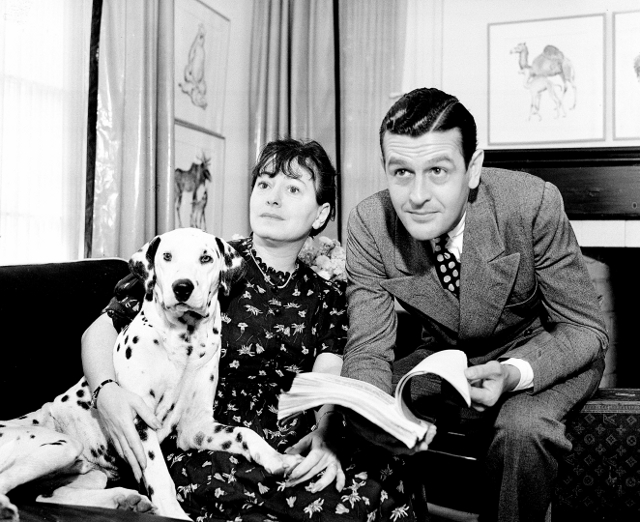
Aujourd’hui je vous propose un article sur le scénariste et acteur américain Alan Campbell (1904 – 1963).
–
Alan K. Campbell (21 février 1904 – 14 juin 1963) était un écrivain, scénariste et acteur américain. Il forma avec son épouse Dorothy Parker une équipe de scénaristes très demandée dans le Hollywood des années d’or.
Né à Richmond (Virginie), il était l’enfant unique de Harry L. Campbell, un vendeur de feuilles de tabac et Hortense Eichel Campbell. La famille de sa mère, les Eichel, étaient des émigrés juifs originaires d’Alsace.
It was sometime in 1954 in Berlin, that I met this person in a shop. I do not remember his name, but one look at each other was enough to convince us that we both belonged to the Indian subcontinent.
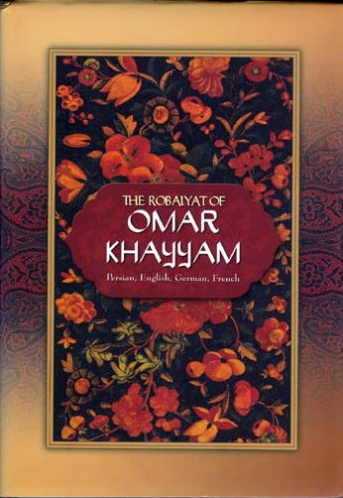
We started chatting, surprisingly not in our common Urdu or Hindi, but in German, a foreign language which we were fluent in! He was holding a small book in his hand – Omar Khayyam’s Rubayyat – in German. I had heard about Omar Khayyam, but had never read the English translation as I disliked that language then. He praised Omar Khayyam no end and out of curiosity I just skimmed through the book. I was certainly impressed and made it a point to buy it the very next day. After exchanging pleasantries we bade each other goodbye, never to meet again. I read and reread that tiny booklet and even…