
Abuse thrives on fear and secrecy. My #MeToo disclosure hasn’t been easy, but by breaking my silence, I’ve stopped protecting those who abused me and those who enable them. Shining a light on my own experience, I hope helps others too, by helping by inspiring empathy, letting other survivors know they aren’t alone, and breaking the cycle within my family. Virtual friends, your encouragement as well as that of my real life dear ones, has meant everything to me. (You can read the next post, about the fallout, here.)
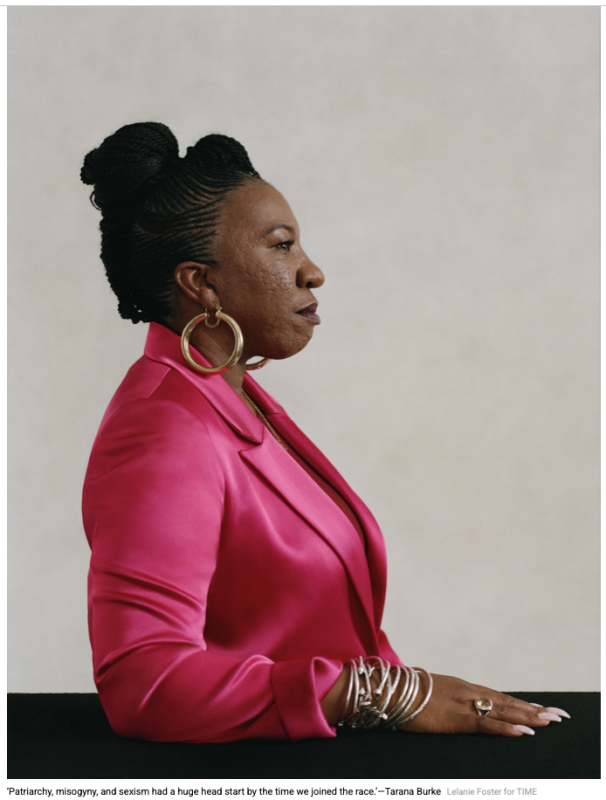
A future post will delve further into the outfall. For now, a relative says I’ve overstepped their boundaries and seek to drive wedges. To anyone who agrees, I offer Wikipedia’s explanation of #MeToo. According to the site, survivor/activist Tarana Burke (who Time Magazine honored) started “Me Too” to empower survivors, regardless of their gender, their color, or if they’re disabled, through empathy. “Me Too” encourages survivors to speak up so they can heal and know they aren’t alone. Her movement of bravery and compassion continues to change how the entire world thinks and talks about sexual violence, consent and bodily autonomy. Me Too offers survivors a way to become leaders in the struggle to end sexual violence.
Wikipedia points out, “false reports of sexual assault are very rare, but when they happen, they are put in the spotlight for the public to see. This can give the false impression that most reported sexual assaults are false. However, false reports of sexual assault account for only 2% to 10% of all reports. These figures do not take into account that the majority of victims do not report when they are assaulted or harassed. Misconceptions about false reports are one of the reasons why women are scared to report their experiences with sexual assault—because they are afraid that no one will believe them, that in the process they will have embarrassed and humiliated themselves, in addition to opening themselves up to retribution from the assailants.”
By the way, a troubling side-note is that when I asked Siri for help researching #MeToo, it refused. No matter how I reworded my request, it replied something to the effect that I needed to call 911. In addition, when I typed this post on my iPhone iCloud notes app, the fact that it included #MeToo within the text made it impossible for me to see that same note on my iMac.
Back in 2019 The Guardian, a British newspaper/website, reported, “According to the report, developers at Apple working on Siri were advised to build Siri to respond in one of three ways when asked about the #MeToo movement — ‘don’t engage,’ ‘deflect,’ or ‘inform.’ The irony is that Siri was built to say that it supported “equality,” but even when asked directly about feminism, it would refuse to say the word.” Weird and troubling, apparently it’s still doing it.
Now for a much needed magical type of self-care. Our dear Chakavak, who lives in Iran…
Today’s guest, Ada Jenkins, lives in Scotland and blogs at The Introverted Bookworm. She’s a writer and reviewer of books. About her writing process, she says, “My writing journey has taken a lot of twists and turns over the years! I did some work around publishing and content creation, then went in a completely different direction and wrote a short non-fiction book, Scotland’s Fires. This gave me a platform to build upon alongside my blog, which led to my first romantasy novella being published by Solstice Publishing last year. Some exciting plans for the coming year, so watch this space. I would say just keep writing, anything, and embrace the process, enjoy the journey and keep going.”
When I asked whether her experience of Scotland matches the sentimental perception of many romance readers, she answered, “I was born in Scotland and am mixed race, so a lot of different influences to draw upon. The sentimental view of Scotland is much the same as for other countries, good for tourists but not reality!”
Here she tells how she came to publish her romantasy novella, His Dark Song…

Fairytale Retellings and the Pied Piper by Ada Jenkins
Fairytales frustrate me. Why, for example, did Little Red Riding Hood venture into the forest, knowing that wolves were roaming around? And, also, why did Rapunzel let down her hair to a stranger, letting him climb up into the tower, where there was no possible means of escape if he tried to assault her?
Some people adore these stories (and that’s fine), while others detest them, labelling them as sexist, silly, and, ultimately, disempowering. However, fairytale retellings—where the bare bones of a fairytale are utilized as a skeleton, the structure on which to rewrite the story in a new and different way—offer an opportunity to recreate the landscape of imagination. This, I feel, can be liberating—for both for the writer, and reader.
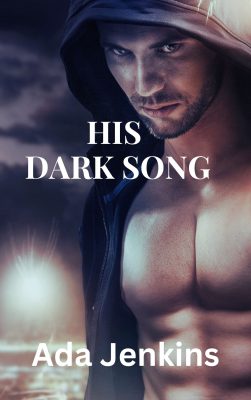
The idea behind my new romance novella, His Dark Song, sprung from a well of deep-seated frustration. I’ve always found the original Pied Piper of Hamelin tale somewhat unsatisfying. Questions kept popping into my mind: why did he kidnap the children? Was it simply an act of revenge, or something else? And if they were laughing when they’d passed into the mountain, then was their fate as bad as everyone thought, after all? Most of all, though, the Pied Piper character intrigued me. Wielding his magical flute, casting a spell, his motives hidden from view, he always cut a powerful and mysterious figure in my mind.
And, dare I say, a handsome one, too.
A towering figure filled the entranceway, his burgundy cape swishing around him. His eyes were a steely blue, the hands at his sides clenched into fists. He cut a formidable figure.
A strange reaction, admittedly. But that was the seed which germinated through time, finally materializing in His Dark Song. Moreover, writing this fairytale retelling gave me a unique opportunity to tackle all the unanswered questions that bothered me, ever since I’d first read the story as a young child.
One of the issues I tackled was the lack of backbone and moxie displayed in some of the (passive) female characters who are featured in traditional fairytales. Regan, the main female character in His Dark Song, rebels against Hamelin’s misogynistic attitudes towards women. In my version of the story, Hamelin is a place of strict conformity. But Regan feels stifled. She won’t bow down and conform to what womanhood should be: femininity, compliance, and a lack of individuality.
The Pied Piper, Jonas, on the other hand, both defies and confirms the traditional tale. He is a complex, brooding, tormented man, who knows how to wield his magic over others. He is also incredibly sexy. However, unlike in the original tale, there is much more to his actions than meets the eye. He has his own secret motives.
He was the Pied Piper, and nobody – not even this beautiful, sensitive, courageous woman – could be allowed to interfere with that. He clenched his jaw until it ached, then spoke through gritted teeth: “I won’t take them back. A deal’s a deal, and your mayor broke his word. I will take my revenge.”
In this enemies-lovers tale, these two social pariahs excavate the goodness in one another, rising above their own beliefs, to create a love based on acceptance and understanding. They are both strong-willed, passionate, worse still, both believe they’re in the right.
Love, when it comes down to it, is a compromise. But what are we willing to sacrifice to attain it? Can there ever be a happy ending when someone challenges your principles, no matter how much you care for them? These are the themes I sought to explore throughout His Dark Song.
Fairytales hover above mundane, everyday existence, compelling the reader to enter a dreamy, obscure, and occasionally inexplicable landscape. They also offer a chance to ask challenging questions, an opportunity to engage the imagination in new and profound ways. And that, in my opinion, will always be a unique source of inspiration.
Are you closer to your chosen family or your traditional family?
Discover more from Happiness Between Tales (and Tails) by da-AL
Subscribe to get the latest posts sent to your email.


[…] behind punishments and taunts. It would free me of a childhood of stomach-twisting shame and the bitter confusion of love mixed with pity and […]
LikeLiked by 1 person
[…] behind punishments and taunts. It would free me of a childhood of stomach-twisting shame and the bitter confusion of love mixed with pity and […]
LikeLiked by 1 person
[…] writing reminds me how storytelling can heal the deepest wounds. I’ve posted before here and here and here about the family-inflicted traumas I’ve dealt with. In my case, blogging has been a […]
LikeLiked by 1 person