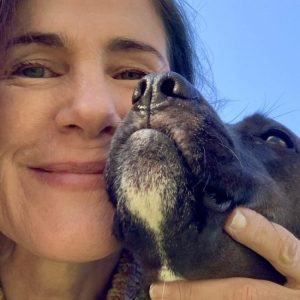

Books, glorious books! The very act of holding one and transmitting its words into my brain, whether I disagree with them, don’t fully understand their concepts, and am uncomfortable with the emotions they evoke — they always make me come away smarter and more sensitive. So much so, that I’ve written some books of my own (click here for info on the three novels I’m seeking representation for by a great literary agent).
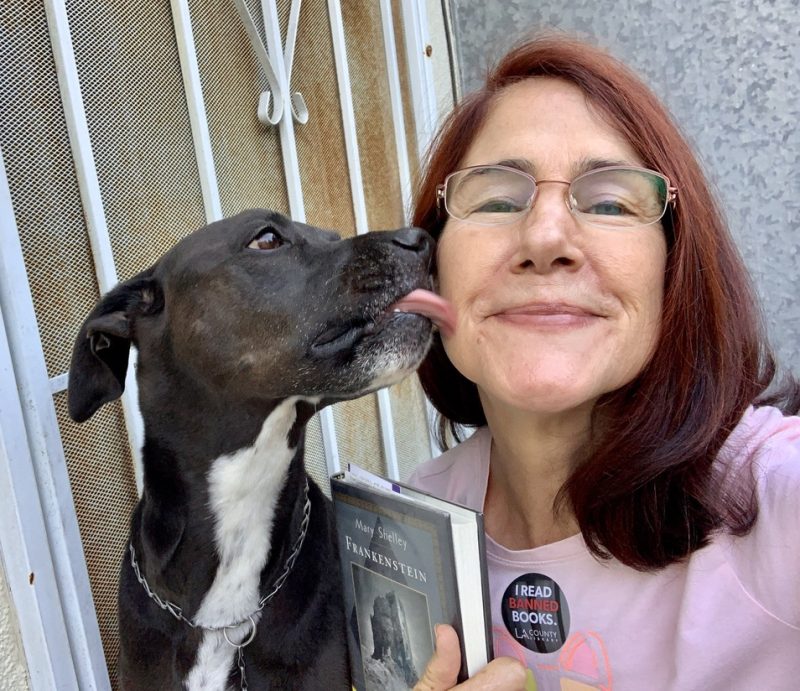
It’s Banned Books Week here in the United States — oh, the shame of our increasing number of groups pumping politicians harder than ever to censor what books line the shelves of our libraries.
Conservatives maintain that everyone, especially our youth, needs protection — but from what? Is it really that damaging to see the antics of Where’s Waldo’s friends? And is it truly possible for anyone to not come away a better person for having read To Kill a Mockingbird? Reading, unlike watching and consuming, requires thinking.
Books helped me thrive in, not just survive, a continually gaslit childhood. Everything I felt or thought was deemed incorrect, and the family culture was, “don’t ever be too joyful, giddy, or silly. Disappointment is inevitable and dreaming makes it hurt worse.” At 11-years-old, when I stumbled onto my mom‘s collection of Marquis de Sade’s short stories, I was too young to understand the sex. All I understood were the depictions of brutal lives, wherein bad people weren’t punished and good ones weren’t rewarded. Wow! I finally felt seen. The very French-literature “life sucks and then you die“ philosophy was exactly how my folks insisted I navigate life. Seeing it in print shone a light on how opposite European story-telling was from that of the United States, where all endings are hopeful and redemptive. And that meant maybe I could choose how I approached life!
So, dear readers, I urge you help everyone understand that regardless of our personal preferences, let’s not decide what others should or shouldn’t read. Reading is special, and we each come to it differently. The effect of stories evolves throughout our lives, often in unpredictable ways that improve us.
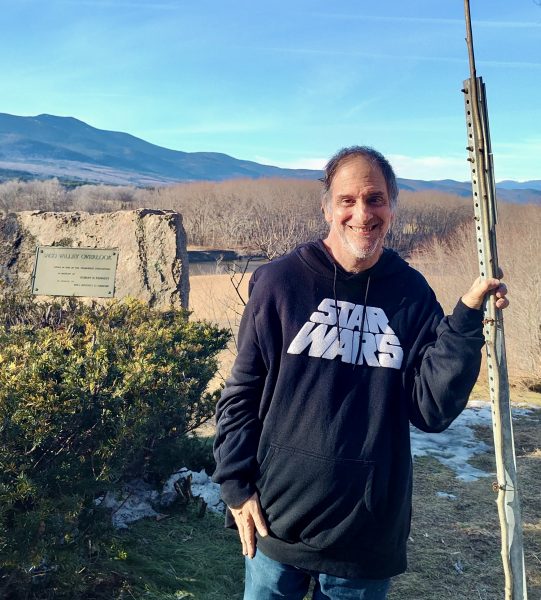
Today’s guest blog post is thanks to author/blogger Alex Diaz-Granados, who also writes books. Here he describes how he decided to write his first novel by following up an existing novella instead of choosing genre fiction…
How I Came to Write My First Novel by Alex Diaz-Granados
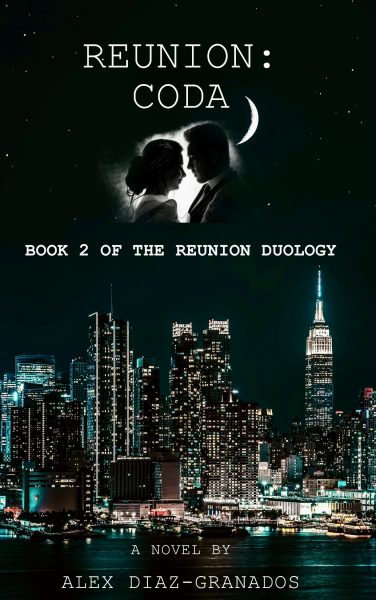
Reunion: Coda – The Unexpected Sequel
A Sequel’s Seeds
“You know, Alex, I liked Reunion. A lot. You should write a sequel!” – Many Readers Since 1999
“Why not dream your own wonderful sequels? When you have finished a book, it can go on in your mind, the characters doing just what you want them to do.” ― Marguerite Henry, Dear Readers and Riders
The Inception of Reunion
Back in 1998, when I first crafted Reunion: A Story to flex my fiction-writing muscles, I envisioned Jim Garraty’s adventure as merely a singular narrative. To me, it was an elegant musing on adolescent turmoil, the wounds from a fractured relationship, and their deep impact on my protagonist, particularly regarding high school dramas, losses, and missed opportunities. With the demise of Reunion’s heroine, I believed the tale had reached its natural conclusion, at least in terms of Jim and Marty’s saga.
Reader Enthusiasm and Author’s Doubts
When I initially shared my draft of Reunion (originally titled “Love Unbroken, Love Unspoken”) with a handful of friends—mostly women—the most frequent response was, “Wow, Alex. This is fantastic! Why not write a sequel?”
Maybe it was my own limited imagination or the author’s self-doubt, but for almost thirty years, whenever someone asked, “Will there be a follow-up to Reunion: A Story?” my response was always, “Unfortunately not. I can’t envision how I could expand upon it, particularly one that explores Marty’s story in greater depth.”
Proposed Sequels and Fresh Perspectives
Yet, the idea of revisiting Jim and Marty’s world never completely faded. It lingered in the back of my mind, occasionally surfacing when readers expressed their love for the characters and their desire to see more of their journey. Despite my initial resistance, the notion of a sequel began to take shape, spurred by renewed inspiration and a fresh perspective on the characters’ potential growth.
In recent years, I’ve revisited Reunion with a more open mind, contemplating the nuances of Jim and Marty’s relationship and the unresolved questions that might still haunt them. The more I pondered, the more I realized that their story wasn’t entirely finished. There were new layers to uncover, new conflicts to explore, and new paths for the characters to tread.
The process of developing a sequel has been both challenging and exhilarating. It’s required me to dig deeper into the characters’ psyches, to understand their motivations and fears on a more profound level. I’ve had to confront my own uncertainties as a writer and push beyond the boundaries of the original narrative to create something that feels both authentic and compelling.
Reunion: Coda is not just a continuation of Jim and Marty’s story; it’s an evolution. It’s about growth, redemption, and the enduring impact of past choices on our present and future selves. It’s about finding closure in unexpected places and discovering that some stories are meant to be revisited, reexamined, and retold.
As I prepare to share this new chapter with you, I am filled with a mix of excitement and trepidation. Writing a sequel to a beloved story is a daunting task, but it’s also a deeply rewarding one. I hope that Reunion: Coda will resonate with you as profoundly as the original did and that it will offer new insights and experiences to cherish.
Thank you for your unwavering support and enthusiasm. Here’s to the next chapter in the journey of Reunion—and to the endless possibilities that lie ahead.
Do you believe library books should be censored?
Subscribe, listen to, and share Happiness Between Tails Podcast on most any platform; from Spotify and Apple Podcasts andBreaker, to Pocket Casts and RadioPublic and Castbox, plus many more and an RSS feed. The full list of 50+ places is H-E-R-E.
Discover more from Happiness Between Tales (and Tails) by da-AL
Subscribe to get the latest posts sent to your email.


The minute after books are banned, they start burning them…
😡 Save books.
Thanks for this post Da-Al.
My apologies for not visiting often enough. I hope all is well?
LikeLiked by 2 people
Thanks always for your visits and comments any time 😀
LikeLiked by 2 people
🙏🏻
Happy weekend
LikeLiked by 2 people
BUONA SERATA
LikeLiked by 2 people
You too 😊
LikeLiked by 2 people
BUON WEEK-END
LikeLiked by 2 people
I love that Alex has listened to the voice that never faded as his fans have definitely been waiting. The only question will be.. will there be a part 3 😉 Congrats and thanks for the intro da-AL❣️
LikeLiked by 2 people
♥️
LikeLiked by 1 person