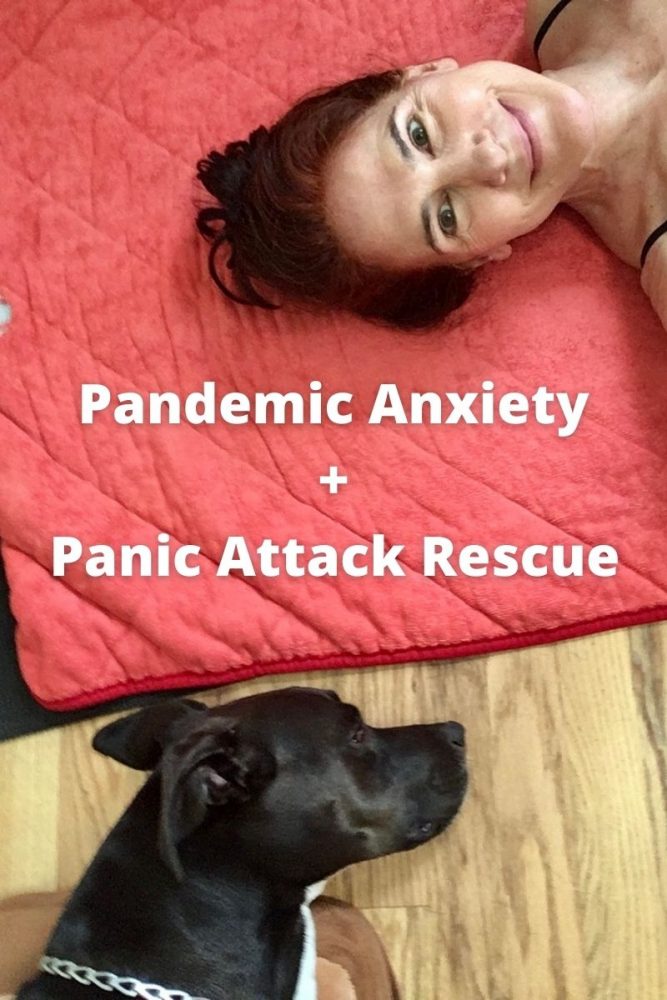
As the Covid epidemic drags on and on and on, for what seems like forever, the challenge of keeping socially distanced is easier for some of us. For me, working on my novels (about the books I’m working on H-E-R-E), teaches me the importance of being okay with keeping my own company. Of course, I’m beyond fortunate that my friends and family are doing well physically, emotionally, and financially. That includes my dear dog, K-D. She breaks up the surrealism of these weird times by staying close while I do ZOOM yoga and pilates.
Make no mistake, Covid is horrendous in every way. Who among us hasn’t been freaked out by it? My husband and I got sick with it just before the vaccines came out. We were lucky to survive, fortunate to have gotten medical attention. That said, I’m still dealing with Covid-related health problems.
Whatever might stress you out, whether it’s Covid or otherwise, meet Caz, a London blogger with kindness so immense that she blogs her experiences into healing wisdom. She worked in mental health, and you can reach her at her site, Mental Health 360 dot U K, no spaces. These are her best tips for keeping our heads when anxiety threatens to do us in…
How to manage panic attacks by Caz
As someone who’s experienced severe panic attacks, I understand just how frightening and debilitating they are. I never want to experience another one and if this is you too, let’s look at how to prevent them. First tho’, in order to overcome panic attacks, you’ll need to understand what they are.
What is a panic attack or panic disorder?
We’ve all had feelings of anxiety — it’s our body’s natural response to stress, and it’s a feeling of fear or apprehension about what’s to come. For example, you may feel anxious about a job interview. During times like this, feeling anxious can be perfectly normal, but some people find it harder to control their anxieties. The most severe form of anxiety can trigger panic attacks.
We have panic attacks and panic disorder; one episode is a panic attack, which might occur following the death of someone close or another stressful situation. Panic disorder is when you experience regular and subsequent attacks. It’s a common yet very misunderstood illness and lots of people with this disorder won’t ever seek help due to fear and stigma.
The attacks can occur often and at any time, seemingly for no apparent reason. It feels like a sudden, unexpected rush of intense fear and anxiety along with a flood of frightening thoughts and physical sensations — so, panic attacks are not merely psychological.
What you should know about panic disorder
- Many of the symptoms of panic attack are similar to some physical illnesses i.e. heart attack or over-active thyroid.
- It’s a chronic condition and can lead to changes in behaviour like avoiding situations or events.
- People dread the onset of another attack, and the fear of having one is just as debilitating as the attacks themselves.
- Panic disorder knows no boundaries as it affects people of all socio-economic groups and races. It’s more common in women than men. It can also affect children and the elderly.
- Although the exact causes are unclear, panic disorders can run in families.
- While many attacks are triggered by stressful life events, they can also occur ‘out of the blue’.
- Be aware — anti-malaria medication, cold and flu medications, appetite suppressants and even too much caffeine can trigger panic attacks in some people.
If you experience panic attacks, you might then begin to avoid events or situations because you’re afraid of another attack. However, avoidance can create a cycle of living in “fear of the fear”, which adds to your sense of panic. This can cause you to have more panic attacks, leading to diagnosis of panic disorder
What are the symptoms of Panic?
If we encounter a situation that threatens our safety, we’ll experience a series of reactions known as the ‘fight or flight’ response — triggered by the release of chemicals that prepare your body to either stay and deal with a threat or to flee to safety.
During a panic attack, we’ll experience similar symptoms, even when there’s no real threat involved. A panic attack might happen in response to situations that others find harmless. Symptoms include physical and physiological symptoms, such as these ten:
- Racing heartbeat, palpitations
- Dizziness, light-headedness, or nausea
- Difficulty breathing, like you can’t get enough air
- Dry mouth and unable to swallow — if you do need fluids, just take smalls sips to avoid choking
- Shaking, trembling
- Sweating and hot flushes or sudden chills
- Sudden need to go to the toilet, the body needs to lighten to fight or flee
- Numbness or tingling sensations, initially in your fingers and toes
- Your face, feet and hands might go white (as with the tingling, this is the blood leaving your extremities to rush to where it’s needed most i.e. heart and muscles)
- Chest pains — you might think you’re having a heart attack — one way to tell is — if your fingers and toes are tingling, you’re more likely to be having a panic attack. However, if you’re afraid always dial 999, or whatever your country’s emergency phone number is, to check
You might experience negative thoughts…
- “I’m so embarrassed, everyone can see me panicking.”
- “I feel like I’m dying” or “I’m dying”, or “I’m having a heart attack.”
- “I can’t cope with this!”
…and feelings of…
- You’re going mad or crazy.
- Being out of physical or emotional control.
- Unreality/detachment from yourself or your surroundings.
- Heightened sound and visual awareness, and hypervigilance (for flight or flee you need to hear and see clearly and be vigilant).
A panic attack generally lasts between four and twenty minutes, although it often feels a lot longer. However, they have been known to last an hour. I had them one after another, and all night for around three months and it felt like torture.
What to do if you’re having a panic attack
- Breathe as slowly and deeply as possible, exhaling firstly through your mouth — slowly for a count of 8-10 seconds, then in through your nose slowly and so on.
- Recognise that this is a panic attack and tell yourself that it will pass, because it will.
- Try to get to a quiet space and sit down if necessary and continue with the breathing.
- If you’re at work or outside, ask for help, I know this might feel a little embarrassing, but do ask if you need to.
- Count backwards slowly from 100 or…
- …look around for 5 things that you can see and name them out loud i.e. “I can see a truck,” etc. You can go onto things you can hear, smell, taste, or touch in the same way — until the panic subsides. This technique will help you stay in the present and grounded by using your five senses.
- Use muscle relaxation techniques — try slumping your shoulders, letting them drop down from your ears, give your jaw a little wiggle then let it relax, uncross your legs, unclench your fists and lay the palms of your hands lightly on your thighs (remind yourself that your body cannot be relaxed and tense at the same time).
- Put a few drops of lavender (known to ease anxiety) on a tissue, exhale then breathe it in slowly.
- Dial 999 if the symptoms continue or get worse.
What to do if someone else is having a panic attack
- Ask the person if they’ve had a panic attack before, and what they think might help them or has helped them in the past.
- Encourage them (or tell them quite firmly if they’re confused and unable to follow directions) to breathe (as above). Do this with them if necessary, as often they think they can’t breathe and won’t be able to do this alone.
- Follow the above steps and call 999 if necessary.
Self-help to combat panic attacks
- Listen (regularly) to free mental wellbeing audio guides online.
- Search and download relaxation and mindfulness apps or online community apps.
- Learn other skills like visualisation to help you relax and practice them often.
- Notice when your body is tense i.e. when your shoulders are up round your ears or your fists are clenched and let them relax. When your body is constantly tensed up, it’s effectively telling your brain you’re on alert, tensed and ready to fight or flee.
- Ask your close friends or family members to support you by gently pointing out when you’re all hunched up and tense. Even better, perhaps they’ll give you a light head massage, or lightly rub your arms and hands in a soothing way.
- Practice the breathing exercises often so that you’ll be able to use them easily when needed.
- Try mixing lavender oil with other aromatherapy oils like geranium to produce your own stress reliever.
I can’t stress enough the need to practice the coping techniques. You know you wouldn’t be able to drive say on a motorway after having just one lesson. It takes practice!
Treatment for Panic attacks
Treatment aims to reduce the number of panic attacks you have and ease your symptoms.
- Psychological (talking) therapies and medicine are the main treatments for panic disorder
- Depending on your symptoms, you may need either of these treatments, or a combination of both
When to get help
- If you’re having suicidal thoughts, please seek professional help. Or talk to someone close.
- See a GP if you’ve been experiencing symptoms of panic disorder. Regardless of how long you’ve had the symptoms, if panic attacks are interfering with your life, work, or relationships you should seek professional help.
- Although panic disorder is a medical condition in its own right, there can sometimes be a physical reason for your symptoms — and treating it can bring the anxious feelings to an end. See your GP to rule out any other causes and don’t self-diagnose.
Over to you
The above lists are not exhaustive, and you may have other tips for readers, which you can leave in the comment section below. Please feel free to make any other comments and ask any questions.
Have you or anyone you know experienced anxiety or panic? What helped you or them?
Discover more from Happiness Between Tales (and Tails) by da-AL
Subscribe to get the latest posts sent to your email.


Very useful information, thanks for sharing 😊❤️
LikeLiked by 1 person
Excellent post. I quite often wake up in the night in the middle of a panic attack–it’s very unpleasant. I use several of the thing Caz recommends:-)
LikeLiked by 3 people
Thank you for your input. I used to have night panics for a long time and I know how frightening they are. I used to play hypnosis music all night lol. Acupuncture also helped me and I haven’t had a panic attack for a long time now. It might be worth considering? In the meantime, I wish you well. Caz 🙂
LikeLiked by 2 people
Yes, I’ve heard acupuncture can help. Definitely worth a try 😊
LikeLiked by 3 people
This is a great resource. A growing issue in our current reality and very likely in our post pandemic world. I appreciate your experience and the solid information in this post.
LikeLiked by 3 people
thank you, LaDonna ❤
LikeLiked by 1 person
Thank you, LaDonna, very much your comments are much appreciated. Caz 🙂
LikeLiked by 2 people
I started to have attacks around 2008, and they were clearly stress and life situation induced. I suddenly could not breathe anymore and my heart started to beat as if it wanted to jump out of my chest. My husband could actually see the heartbeat through my clothes, and it was also visible at my neck.
As soon as I found out what those were, it got easier to get through them. As a mental help after an attack, I tried to find out, what I was afraid of, and then I used the question: What is the worst that could happen to me? And when thinking about the possible consequences, they lost most of their threat.
Nowadays I feel them coming and can stop them in “midair” so to speak. The situation is serious now. What I am afraid of is that Denmark will use forced vaccination on their citizens, as soon as they get their hands on a vaccine, and yes, the worst that could happen to me is to die of it. I find that pretty serious, and the base for the present attacks will not go away soon.
LikeLiked by 3 people
So sorry, dear Birgit — thank you for sharing so honestly — you are always so sweet — I hate to think of you or your lovely husband ever experiencing anything that awful. My very best thoughts go out to you ❤
LikeLiked by 2 people
You are very kind, da-AL.
Our positicians have the craziest ideas at the moment.
LikeLiked by 2 people
Sorry to hear you have panic attacks too – they’re so dreadful, aren’t they? I hope you , find some of the coping techniques useful. Have you seen your doctor for talking therapy or for medication, or do you use any coping skills?
Like you, I was eventually able to stop them and thankfully I haven’t had one in a long time now. I found acupuncture worked well for me 🙂 I wish you well, stay safe and panic free in Denmark. Caz
LikeLiked by 2 people
Thank you Caz! I only ever get them, when my situation is really difficult or when I am really afraid of the future. So there have been many years without any attack. I learned to calm myself down under an attack, which was difficult at first, I mean, you think you are dying of a heart attack. But then I didn’t die and did some research on the Internet. Nowadays I feel them coming and can stop them, before they develop into a fullblown attack. In general I am trying not to develop strong anxiety by analyzing the situation and in most cases that helps. A strong faith in God is the best though.
LikeLiked by 2 people
This is really good to hear and I’m so glad you haven’t had a full blown panic attack for a long time too 🙂
I think for me, because I also have physical disorder now and I’m in constant pain, I tend to get stressed quite easily, irritable so I need to keep this is check otherwise I feel edgy and anxious. I keep up with my mindfulness, breathing exercises and visualisation which all help.
Thank you for your input and wishing you well in the future, Caz 🙂
LikeLiked by 2 people
Thank you, Caz, the same to you! 🙂
LikeLiked by 2 people
Thanks so much for this very helpful information.
LikeLiked by 3 people
& thank you for visiting, yaya 🙂
LikeLike