Subscribe, listen to, and share Happiness Between Tails Podcast on most any platform; from Spotify and Apple Podcasts and Google Podcasts and Breaker, to Pocket Casts and RadioPublic and Castbox, plus many more and an RSS feed. The full list of 50+ places is H-E-R-E.
The act of writing forces us to contemplate things more deeply and to question what we believe. Bloggers, novelists, all writers lay ourselves bare when we publish. When we communicate our passions, readers are challenged to think — and they challenge us!
Thank goodness for the world of blogging (and podcasting), a Utopian alternate universe where anyone with access to a smartphone or computer, along with the internet, can send their unfiltered voices all over the world.
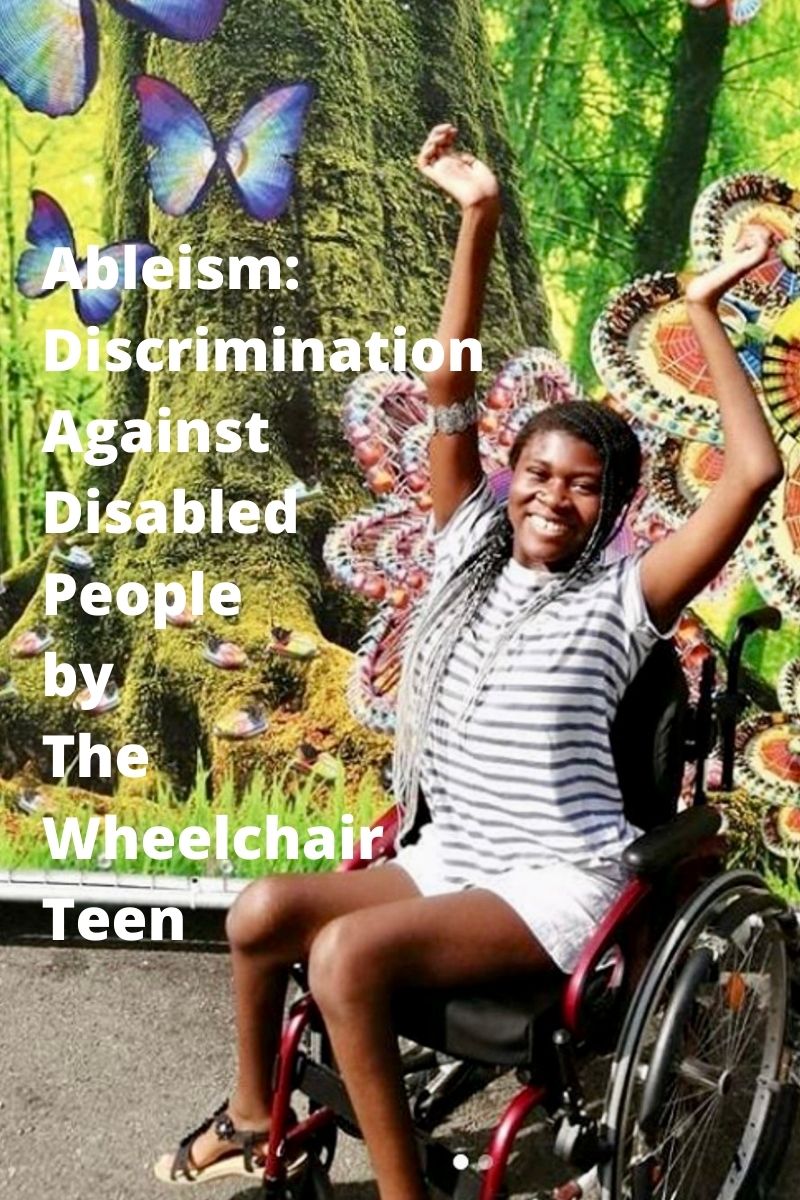
Without blog-topia, I would never have stumbled across a blog called, “The Wheelchair Teen – My life as a black, disabled teenager.” There she lets us into her often fun, sometimes heartbreaking life. With good humor and patience, she teaches everyone to live with joy and compassion…
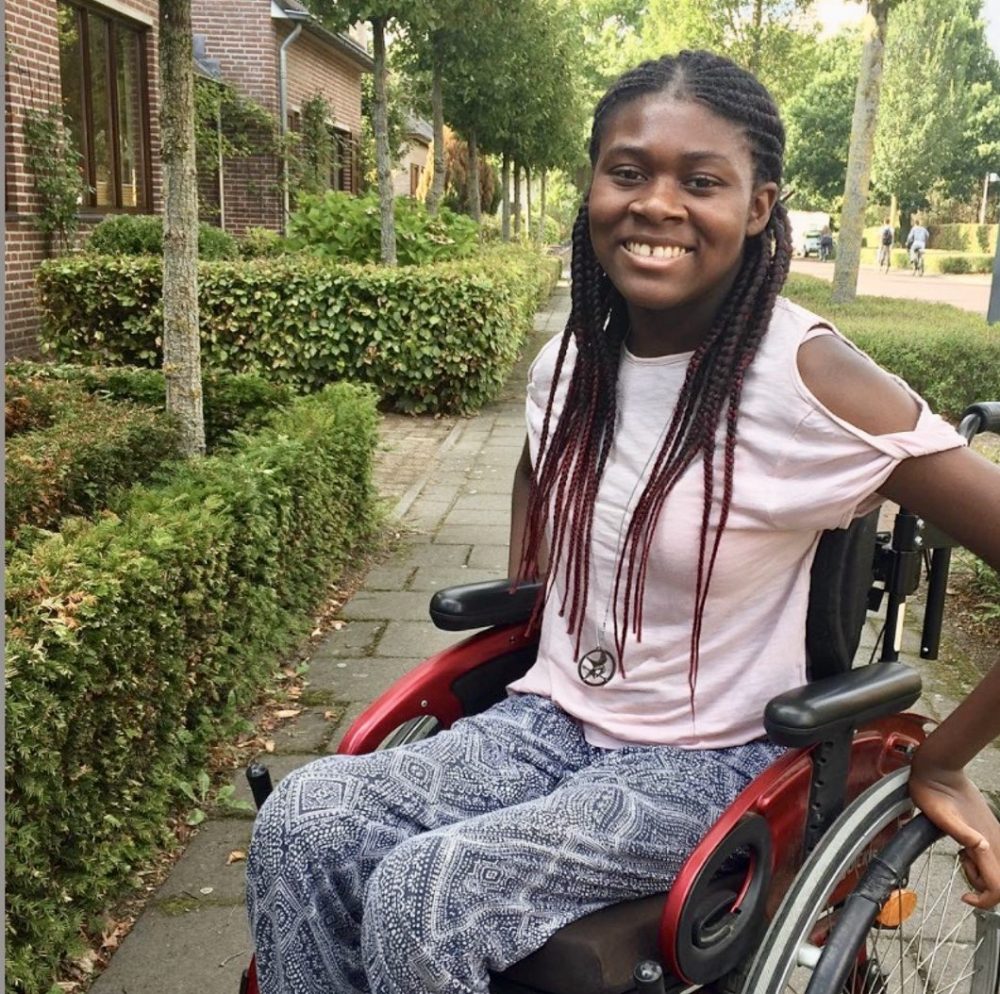
Ableism: Discrimination Against Disabled People by The Wheelchair Teen
Hello, everyone! I’m The Wheelchair Teen and I write about my life as a black, disabled teenager. I’ve been disabled ever since I was born and a permanent wheelchair-user since the age of thirteen. I’m British but currently residing in the Netherlands with my parents and sister. Thank you so much to da-AL for allowing me the chance to write a guest post for her incredible blog to help me spread my message of equality for all disabled people. If you want to see more of me you can find me at my blog called, The Wheelchair Teen – My life as a black, disabled teenager.
Ableism is the term for discrimination against disabled people, but unlike other forms of discrimination, it isn’t viewed as negatively. Most people don’t get educated about disabilities and remain ignorant. It’s therefore harder to get angry at people when they act ableist towards me — they honestly don’t know any better. So, when I encounter ableism, I sort of just have to deal with it and let it slide — and it’s exhausting, alienating, and something I shouldn’t have to face. Ableism is everywhere, and until people start to educate themselves more about disabilities, it’s something I’ll have to continue to deal with in almost every aspect of my life. Here are the five main ways that I feel othered in society as well as things that you can do to educate yourself and help to end ableism:
-
People treat me differently
Sometimes adults talk slowly to me or avoid addressing me by talking to whoever’s next to me when discussing me. People pick up my limbs and move them for me without my permission or make offensive assumptions. At school, I was often alone because students were unsure how to treat someone like me and would therefore ignore me altogether. People stare, point, or talk loudly and rudely about my body in front of me and assume that I can’t understand. Little children occasionally even run screaming from me when I’m in my electric wheelchair. All of this makes me feel extremely isolated, alienated, alone, and othered — and that’s not even mentioning the different ways buildings and companies discriminate against me when I leave the house or go on trips. I’ve been turned away from places that claim to be wheelchair-accessible and discriminated against by employees.
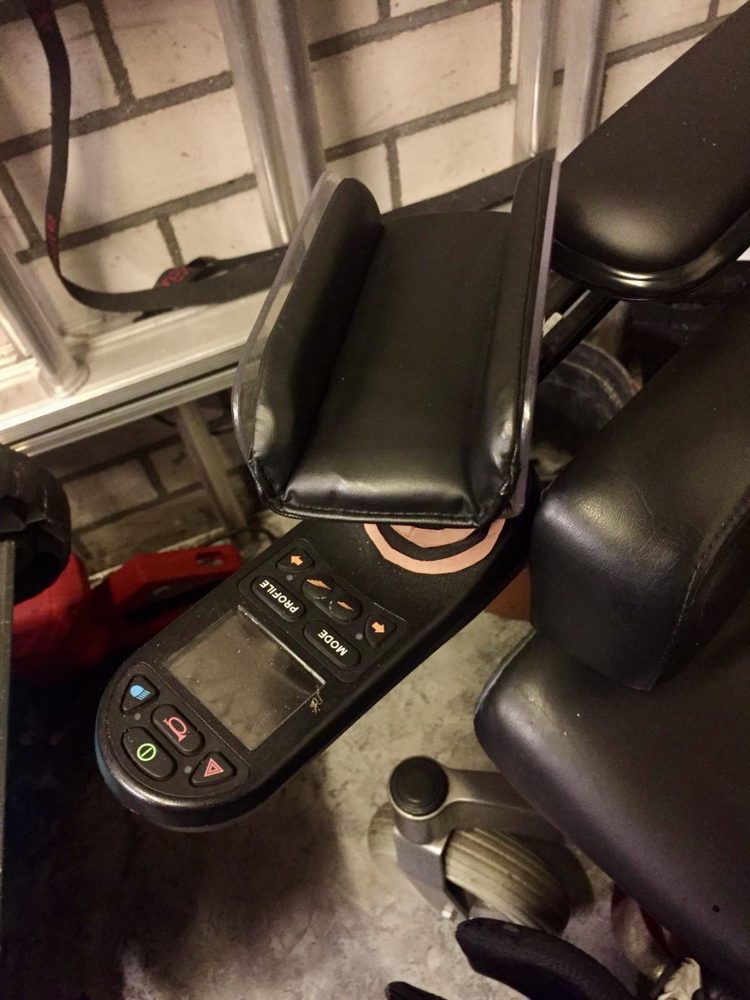
I talk a lot on my blog about inspiration porn which is the objectification of disabled people as two-dimensional objects of inspiration. People treat us like we only exist to inspire people. I’ve had absolute strangers pass me on the street and tell me that I’m their hero. In fact, most people either assume that my life is awful and therefore treat me with pity or treat me like I’m a superwoman simply for waking up every morning like everyone else. In reality, my life is pretty sweet. The most difficult part about my life is actually how I’m treated in society — not my actual disability. I know this isn’t the case for everyone but you shouldn’t instantly assume it’s not. I’ve been disabled for as long as I can remember — I can handle it, it’s ableism that’s the major issue for me.
-
They don’t teach about us in school
More education about disabilities is key in our fight to help combat ignorance. I’m certain that if my classmates had known how to treat someone like me, they wouldn’t have been so hesitant to approach me. Also, if children knew more about disabilities there’d be less pointing and staring as if they’ve never seen someone like me before, not to mention the children that ran from me terrified. Libraries should include picture books about disabilities and we should be mentioned in every diversity class along with other minorities.
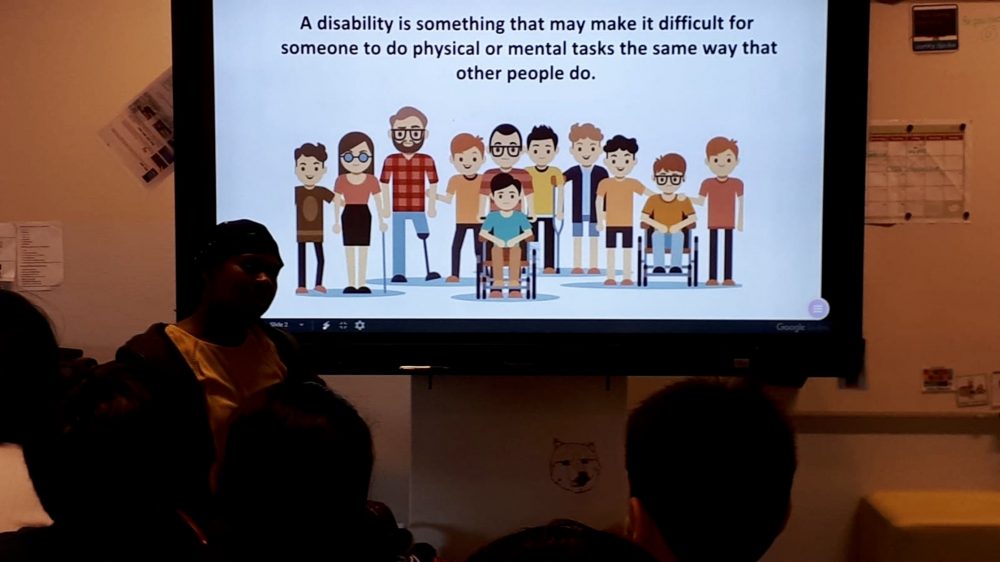
Ignorance can be deadly: it is estimated that between 33-50% of police violence happens against people with a disability (although it’s hard to tell because it’s rarely recorded for statistics). I cried while reading through all of the cases of police shooting disabled people that they had been called to help in the first place. It’s a serious problem that not enough people are talking about. The police force needs to be better educated when it comes to handling disabled people – whether it’s shooting a deaf person because they couldn’t hear the police telling them to stop, or firing at someone with a condition that makes it incapable for them to stand still and raise their hands. They must be held accountable and taught that their behaviour is unacceptable. And these cases need to be reported and receive the same attention as any other police brutality case.
-
There’s no one like me on screen
Disabled people are the biggest minority in the world with around one billion people around the planet being disabled. Despite this, we have one of the lowest amounts of representation in films and TV. Only 2.3% of speaking characters in films are disabled. Growing up, I used to think I was strange because I hardly ever saw anyone like me on TV – and I wasn’t the only one. We’re talking about representation in media as low as 1% for a minority that is around 20% of the world.
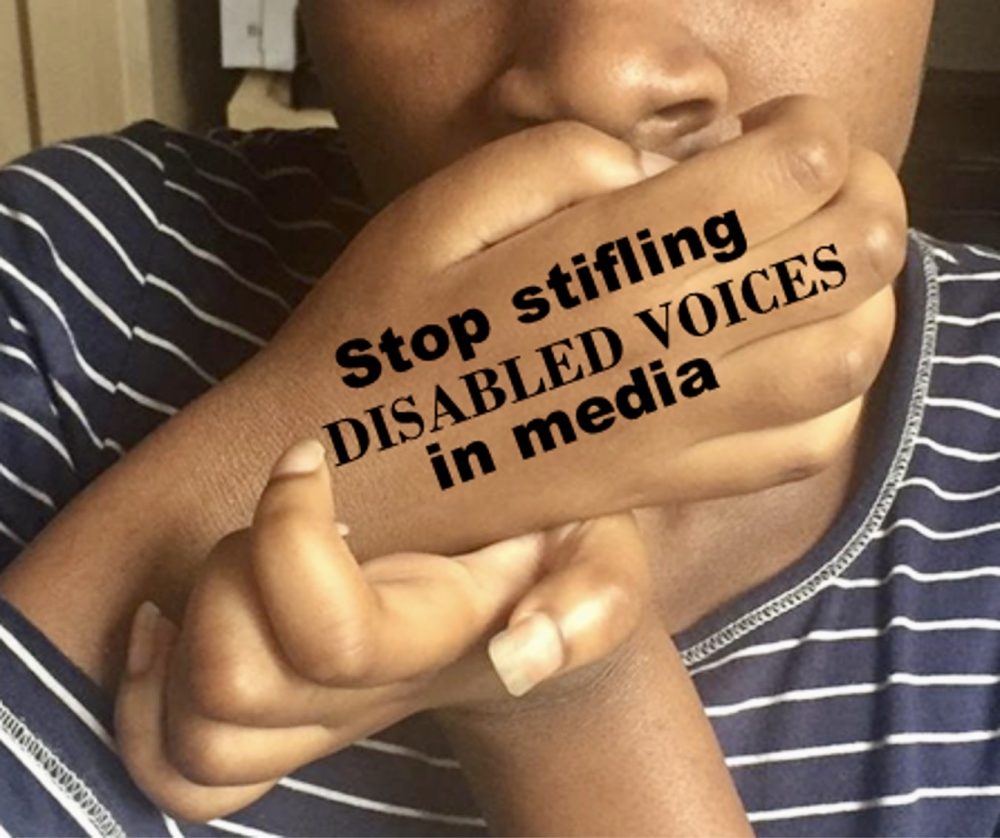
95% of disabled roles are played by non-disabled actors, which is unacceptable! Able-bodied actors are critically acclaimed and win numerous awards for pretending to play a disabled person – but a lot of their performances (from the perspective of a disabled person) border on imitation and mockery. By not getting actual disabled actors to play these roles, you alienate disabled people by making them seem like mystical beings that cannot appear on screen, that can only be mimicked and impersonated. I’m not a ‘challenging acting feat’ – I’m a real person.
Meanwhile, real disabled actors struggle to get hired because people would rather see famous actors curl their fingers, twist their legs, tilt their heads, and pretend to be us for another guaranteed Oscar-nominee feel-good film. Filmmakers don’t want the real thing – they just want their own version of it, which audiences will then mistakenly believe is reality. I dream of a future where able-bodied actors playing disabled roles is seen just as negatively as actors playing other minorities when they don’t share their experiences.
-
No one celebrates disability day
While throngs of people and numerous corporations celebrate International Woman’s Day, Pride Day, and Black History Month, the International Day of Disabled Persons goes under a lot of people’s radar. There is honestly so much beauty in being disabled, there’s so much to celebrate, and so many rights that still need fighting for. Help to raise awareness about disabilities by educating yourself and spreading the love this third of December.
Like other minorities, multiple people throughout history have fought for the rights of disabled people. One day I was sitting in a history class at school when I realised that I knew about the suffragettes who had fought for my right to vote as a woman and the incredible civil rights activists who fought for my equality as a black person, but I knew nothing about the people who had fought for my rights as a disabled person. I did some research about disability history and I was so proud to see all of the people who had stood up for people like me. Their stories deserve to be taught in schools and history classes too. They deserve to be remembered.
-
Disabled representation is awful
We’ve all seen disabilities used as plot devices: like the disabled or scarred villain who has a disability to show their dark, twisted mind or past on their bodies in a physical way; the action character with a child who has asthma so that tension can be built in the film when the main character has to rush to get the inhaler at a critical moment; the protagonist who ends up in a wheelchair in their weakest moment but manages to walk again once they continue to believe in themselves. And we’re all sick of it.
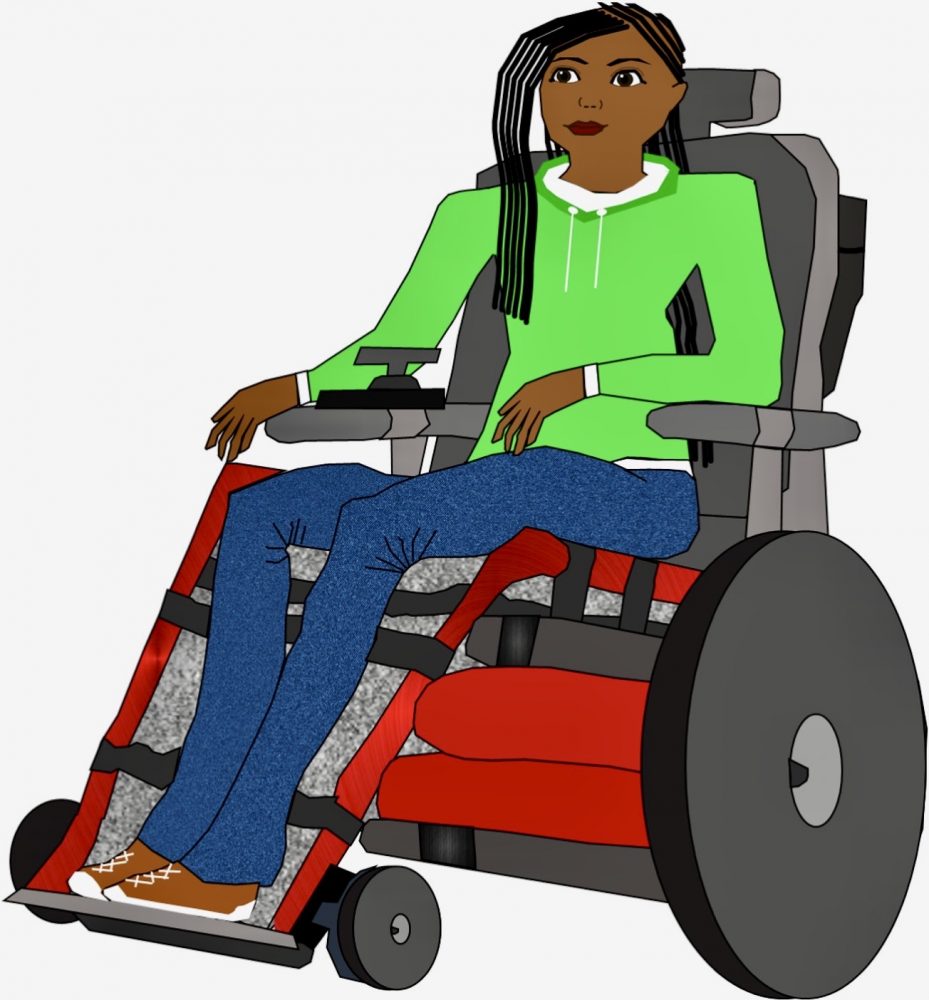
A few weeks ago, I burst out crying after watching a show with a character in a wheelchair that wanted to end their own life. It had been the THIRD show/film I’d seen in a row with a character in a wheelchair that wanted to do this. How can this be a theme in so many films with disabled representation? What kind of message does this send to people like me? If this is the only kind of thing a disabled person sees – what do you think they would start to believe? It made me angry. It made me feel like society thought that I’d be better off dead. Disabled people go through enough without having to put up with these types of horrible representations. (In most of them, disability was not the main focus of the show – it was just a side storyline. One was a comedy series, one was an anime, the other a romance film). I can’t believe that we’re still at this point when it comes to representation.
I’d love to see more casual disabled representation where character’s disabilities aren’t the focus of their entire existence – where they’re treated like normal characters that don’t even need to be the main focus of the story, representation where they aren’t healed at the end so people don’t think you can’t have a ‘happily ever after’ with a disability, intersectional representation where disabled characters can also be black or be members of other minorities, representation where their disability isn’t due to an accident – they’re merely born that way, etc. I’m currently working on creating a comic book about a team of disabled superheroes. It’s set in a sci-fi, Afrofuturistic world so there’s plenty of intersectional representation in it.
Most importantly, I hope that disabled people are consulted while creating such a work. People praise films like Me Before You or Music until they hear from the actual disabled people that the film is representing and realise that they’re outraged at the bad representation. You can’t ignore the community when you make or watch films like this. Nothing for us without us.
What can you do to help end ableism?
-
Educate yourself and others
I recently started working on a story with disabled characters and I had to do a lot of research for it. I learnt so many new things like: the correct way to refer to certain disabilities, terms that are actually found offensive within the community, ways to make yourself easier to lip-read when talking to a deaf person, wheelchair etiquette, things that are okay to ask and things that may be rude, basic phrases in sign language, not to interact with guide dogs when a blind person is using them, etc. Education is key, I teach people about disability and even I still have a lot to learn.
-
Watch and read more disabled representation
There needs to be more outrage about films and books that go out of their way to discriminate against the disabled community and more attention for the ones that don’t. Read more books written by disabled authors and watch more films and tv-shows with us in them. Listen to our stories, we’ll show you that we’re much more than 2d objects of inspiration or pity.
-
Support disabled content creators
Apps like Tik Tok were found deliberately preventing videos with disabled people in them from going viral. More attention for disabled content creators means more normalisation of disabilities for their followers. I’m not the only one out there sharing about life with a disability. Also, add subtitles to your videos and captions to your pictures to make your posts more accessible for disabled followers.
Research citation: https://www.forbes.com/sites/joewalsh/2021/05/18/new-york-ags-investigation-into-trumps-business-turns-criminal/?sh=7ed291937332
What do you think about media depictions of disabled people?
Discover more from Happiness Between Tales (and Tails) by da-AL
Subscribe to get the latest posts sent to your email.


I’m guilty of some of the things mentioned above and I honestly didn’t know and never even thought much about it. I guess, the main fault was my ignorance regarding this subject. Thank you for writing this post and for spreading awareness. Have a blessed day dear ♥♥
LikeLiked by 3 people
I don’t blame you for not knowing about it. Like I said above, education is really lacking when it comes to teaching people about disabilities. I hope you were able to learn something new here then. You’re welcome, I hope that you have a blessed day too! 💕
LikeLiked by 2 people
I did learn, and for that, I thank you! ♥♥
LikeLiked by 2 people
it says much good about you that you took the time to read & that you’re honest with yourself, Sonali! you are a lovely soul 🙂
LikeLiked by 1 person
Thank you so much! I’m sure you are too. Stay blessed ♥♥
LikeLiked by 1 person
❤
LikeLiked by 1 person
Reblogged this on By the Mighty Mumford.
LikeLiked by 2 people
Thank you so much for helping to share this message! 😊
LikeLiked by 2 people
U.R. WELCOME! Wheelchairs, disabilities and I go back a long way ! 😀 😀 😀
LikeLiked by 2 people
tx much, Jonathan 🙂
LikeLike
Thank you so much da-AL for shining the light on disabled people, your voice is very important.
You know I really don’t even like the term of disabled , because it puts a label on them which is not quite right, people immediately think of them in such different ways, which I think is often so very much a disinterpretation .
LikeLiked by 2 people
You’re welcome! I’m glad that you enjoyed it 😊 Many people say that about the term ‘disabled’ because it does sound quite negative, however, for multiple reasons, I think that it’s okay to use. A lot of other terms for disabilities sound patronizing and like they’re dancing around the issue. But ‘disabled’ isn’t a rude word. It’s fine – It’s what I am. I talk more about it here if you’re interested: https://thewheelchairteen.com/2019/12/02/disabled-vs-physically-challenged-and-other-such-terms/
LikeLiked by 1 person
that truly is a wonderful post, Simone — I urge everyone to check it out!
LikeLike
Dear writer, because I don’t know your name, I really thank you for your kind response. I visited your blog, to know more about you and I have to say that you have all my admiration for all your courage to speak the way your heart is telling you,
LikeLiked by 1 person
Simone has my admiration too, Cornelia 🙂
LikeLiked by 1 person
It’s a difficult, contentious issue, to put it mildly — however, with all interactions, I believe good intentions go very very far ❤
LikeLiked by 1 person
Thanks to Simone and to da-AL for posting this great blog. Although not disabled myself, I have a developmentally disabled daughter and have experienced many of the things you wrote about. Ableism splashes onto family members of the disabled, also. Over the years, it has made me become a stronger person myself, having learned to stand up in behalf of my daughter to an often uncaring and insensitive world. Simone, you put into words so many of my own experiences. Again, thank you for shining the light.
LikeLiked by 4 people
I’m sorry that you’ve also had to face many of these same issues, but I’m happy that my piece was something that you could relate to. It’s truly a shame how ableism affects so many lives. You’re welcome, I’m truly glad that you enjoyed reading this. 💕
LikeLiked by 1 person
the posts you publish on your blog are always insightful & uplifting as well, Lee Gale 🙂
LikeLike
Hey Simone your such a awesome young woman. Media depictions are & always have been way off about well pretty much everything even some documentaries have their so called for your entertainment elements. If humanity wasn’t programmed into being “entertained” constantly maybe voices that needed to be heard could be heard over the din that is now entertainment that we are programmed to watch. Having PTSD & other challenges I only see media portraying us as weak & needy, as opposed to the fact that just to get up in the mornings makes us stronger than most. You are an amazing young woman & I pray you are not only listened to but heard, not just seen but known. Thank you for being you & have a wonderful weekend ahead.
LikeLiked by 4 people
Thank you so very much for this kind comment, it truly touched my heart. You’re right about media depictions, it’s disappointing how often they are inaccurate when it comes to representation. I’ve also seen PTSD represented badly and I’m sorry that you’ve had to put up with watching media that portrays people with that condition as weak and needy. You deserve better – the entire disabled community deserves better. I pray that too – it’s my life’s goal to raise awareness and make a difference for my community. You’re welcome, I hope that you have a lovely weekend too. ❤❤❤
LikeLiked by 3 people
Indeed Simone is a voice we need to hear — as if yours, workinacresnothours
LikeLiked by 2 people
Thank you da-AL for sharing your world & the beautiful people in it, you rock.
LikeLiked by 1 person
& so do you, dear ❤
LikeLike