

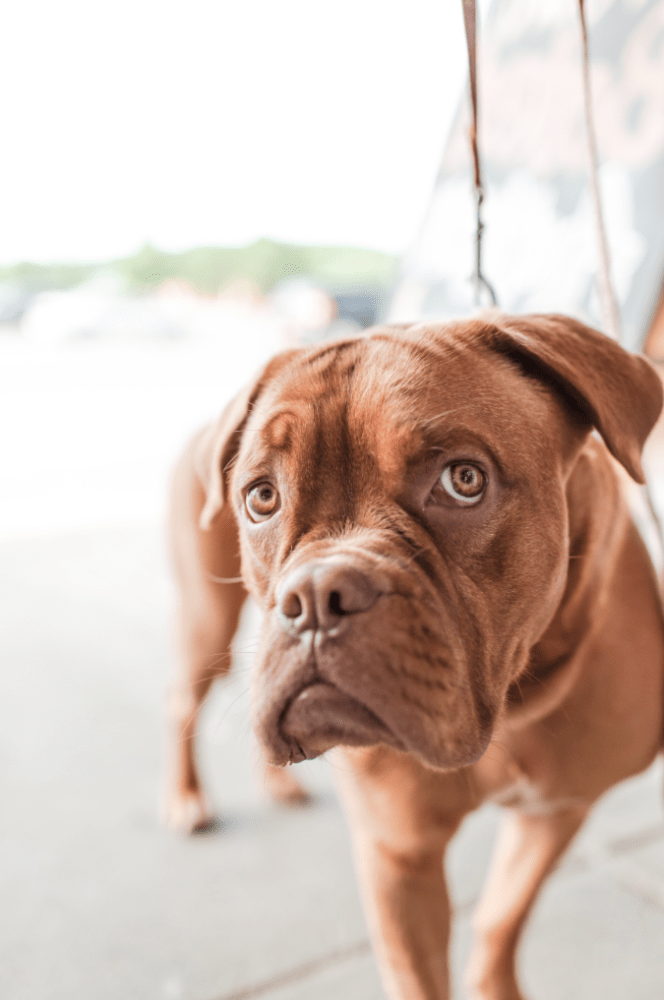
Dogs are pack animals. They aren’t equipped to spend long periods alone. As our pets, however, sometimes this is hard to avoid. Fellow blogger Alica describes what works for her…

The Separation anxiety in dogs has been one of the most dreadful problems. This will also confuse you as the owner or parent of the pet. Every time you are leaving, your dogs begin to cry, bark, and sometimes scratch the door, showing that they are panic or anxious.
Every time you pick up your coat and keys, your dogs will start becoming bad behaving. While you are gone, your dogs will poop on your bed, pee on your sofa, chew on your wooden furniture pieces, tear your sheets, dig holes in the backyard, and other naughty things.
Not only that these are the signs of the separation anxiety in dogs, but it will also affect your overall life. You may not be able to go for a long time or go for a vacation. You won’t have peace of mind when you leave your dog. But you don’t have to worry. It is reversible.
You can handle this independently. But first, you will need to understand the behaviors of your puppies. The Separation anxiety in dogs can be divided into anxiousness and the insecurity. You could research the characteristics of these conditions from the free resources out there. Then the next step is to fix the Separation anxiety in dogs.
What makes the dog anxious is mostly the owners. The fatal mistake that you do is to consider the dog as your best friends so that you share your bed with them. It is totally wrong. Here are few things that you can do to handle the Separation anxiety in dogs:
- Don’t let your dog sleep with you at night or day.
- Don’t greet your dog or feed it with the treats once you get home. Give some time and space.
- Correct the wrongs immediately. Don’t pamper your dog.
- Exercise your dog for at least 20 minutes on a daily basis.
About the author: Alica owns the site, hellowdog. The mother of two beautiful children, she loves to travel, socialize, fish, garden, read, and her two dogs. She says, “In short, I am just like you a woman, who is passionate about the care of her dogs and wishes to share that with all of you.”
Discover more from Happiness Between Tales (and Tails) by da-AL
Subscribe to get the latest posts sent to your email.


A canine psychology in a nutshell 👏👏
LikeLiked by 2 people
A good post. But this will require efforts from all family members.
LikeLiked by 3 people
It’s very hard to have everyone in the family on the same page… especially children. Our dog has terrible separation anxiety.
LikeLiked by 2 people
very true — a family works best when everyone works as a team
LikeLiked by 2 people
This is good advice, but it depends on the situation. I’ve had dogs with separation anxiety and did those things, but our current dog doesn’t have an ounce of anxiety. We greet each other with tremendous enthusiasm and it makes us both feel great. He also sleeps with us, which is something our other dogs didn’t and it’s never been a problem (except that he likes to spoon, lol)!
LikeLiked by 2 people
good point – each dog (as with most all creatures I’ve met) comes with their own personality 🙂
LikeLiked by 3 people
Anche la mia Jack Russel Sally nessuna ansia : una carezza un biscottino si siede sulla sua poltrona e mi guatda uscire e non dimostra di avere ansia.
Shera
pa dorme nel letto soltanto la notte!!!
LikeLiked by 1 person
Sharing the bed or ecstatic greetings say as much about the owner as they do about the pet. This is the same for dogs and cats. A separate bed never traumatized any of my animals. I would greet my dog after a few minutes at home and exercise the animal for 20-30 minutes, after feeding it.
LikeLiked by 3 people